Hey there! As a supplier of Medical Film Sheeters, I often get asked about the calibration method for these machines. So, I thought I'd take a moment to share some insights on this crucial topic.
First off, let's understand why calibration is so important. A Medical Film Sheeter is a precision device used to cut medical films into specific sizes and shapes. If it's not calibrated correctly, the cuts might be inaccurate, leading to wasted materials and, more importantly, potential issues in medical applications where precise film dimensions are crucial.
Initial Setup and Basic Checks
When you first install a Medical Film Sheeter, there are a few basic steps to start the calibration process. First, make sure the machine is placed on a flat and stable surface. Any unevenness can affect the cutting mechanism and lead to inaccurate cuts. Check all the connections, including power and any pneumatic or hydraulic lines if applicable. Loose connections can cause vibrations or inconsistent operation, which will mess up the calibration.
Next, inspect the cutting blade. A dull or damaged blade won't make clean cuts, so replace it if necessary. You also want to ensure that the blade is properly aligned with the cutting guides. Misaligned blades can result in slanted or uneven cuts.
Measuring and Adjusting the Cutting Dimensions
The heart of the calibration process is getting the cutting dimensions right. Most Medical Film Sheeters come with adjustable settings for length and width. To start, you'll need a reliable measuring tool, like a high - precision ruler or a caliper.
For the length calibration, feed a piece of test film through the machine and make a cut. Measure the length of the cut film using your measuring tool. If the measured length doesn't match the desired setting, you'll need to adjust the length control mechanism. This could involve turning a screw, adjusting a servo - motor setting, or using a digital interface if your machine is equipped with one. It might take a few tries to get it just right, so be patient and make small adjustments each time.
The width calibration is similar. Make a cut and measure the width of the film. Adjust the width control accordingly. It's important to note that the film's tension can also affect the cutting dimensions. If the film is too loose or too tight, it might stretch or bunch up during the cutting process, leading to inaccurate measurements. So, you may need to adjust the film tension guides to ensure that the film is fed smoothly through the machine.
Checking the Cutting Angle
In addition to the length and width, the cutting angle is another important factor. A skewed cutting angle can make the films difficult to use in medical equipment. To check the cutting angle, you can use a protractor or a specialized angle - measuring device.
Place the measuring tool on the cut edge of the film and measure the angle. If it's not perpendicular (or the desired angle), you'll need to adjust the cutting head or the alignment of the blade. Some machines have adjustable stops or guides that let you fine - tune the cutting angle.
Calibration Frequency
It's not a one - time thing. You should calibrate your Medical Film Sheeter regularly. How often depends on how frequently you use the machine. If it's in constant use, you might want to calibrate it daily or at least weekly. For less frequent use, monthly calibration should be sufficient. Regular calibration helps maintain the accuracy of the cuts and ensures the long - term performance of the machine.

Using Advanced Calibration Tools
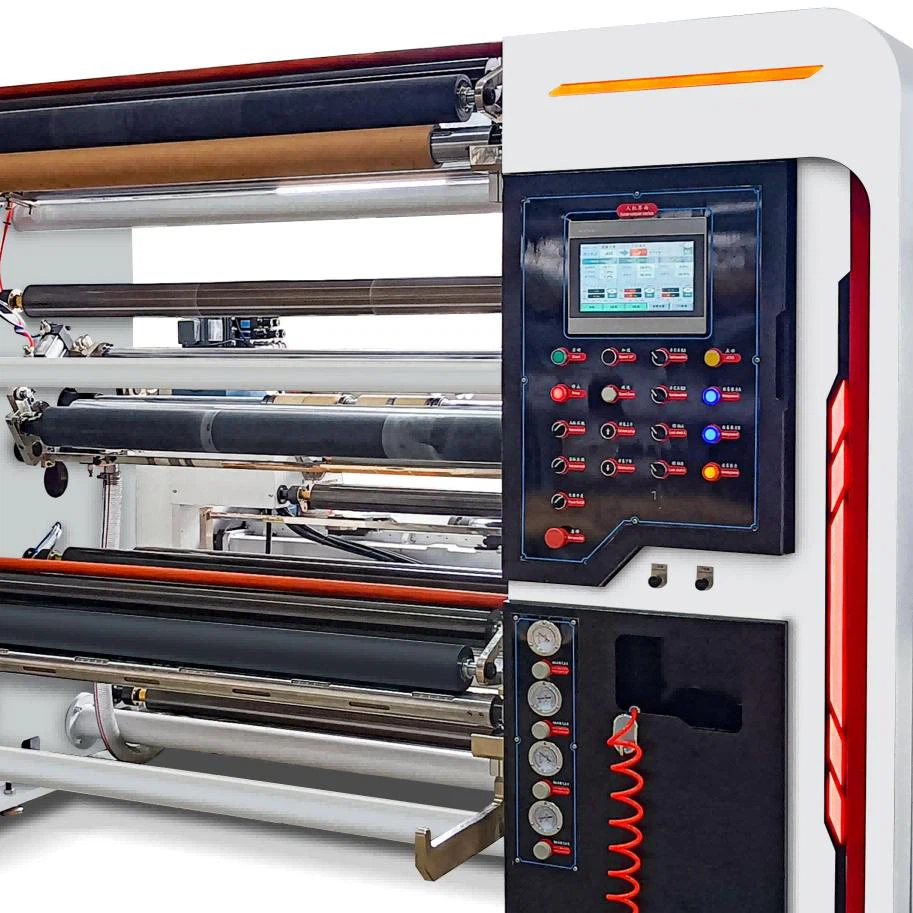
Some modern Medical Film Sheeters come with built - in calibration systems that use sensors and software to automate the process. These systems can detect any deviations from the set parameters and make adjustments automatically. This not only saves time but also reduces the margin of error. If you're in the market for a new Medical Film Sheeter, consider one with advanced calibration features.
Now, I know some of you might be thinking about other types of machines too. We also have a range of related equipment. Check out our Automatic A4 Paper Making Machine, which is great for high - volume paper production. And if you're in the baby product industry, our Diaper Production Machine can help you streamline your manufacturing process. For label - related work, the High Speed Label Slitting Machine is a top - notch option.
If you're interested in our Medical Film Sheeters or any of our other machines, don't hesitate to reach out. We're here to help you find the right equipment for your needs and ensure that it's properly calibrated and maintained. Whether you're a small medical facility or a large manufacturing plant, we've got solutions that can work for you.
References
- Industry standards for medical film cutting equipment.
- Manufacturer's manuals for Medical Film Sheeters.