Hey there! As a supplier of Sanitary Napkin Machines, I often get asked about what materials are needed for these machines to produce napkins. Well, let's dive right into it!
1. Absorbent Core Materials
The absorbent core is the heart of a sanitary napkin. It's what soaks up the menstrual fluid and keeps the user dry.
- Wood Pulp: This is one of the most common materials used for the absorbent core. It's highly absorbent and relatively inexpensive. Wood pulp fibers are soft and can hold a large amount of liquid. They are usually sourced from sustainable forests. Manufacturers use a special process to treat the wood pulp to make it more absorbent and hygienic.
- Super Absorbent Polymer (SAP): SAP is a game - changer in the sanitary napkin industry. These tiny polymer beads can absorb and retain large amounts of liquid compared to their own weight. When in contact with menstrual fluid, SAP forms a gel - like substance, preventing leakage and keeping the napkin dry. It's often mixed with wood pulp to enhance the absorbency of the core.
2. Top Sheet Materials
The top sheet is the part of the sanitary napkin that comes in direct contact with the user's skin. It needs to be soft, comfortable, and have good liquid - passing properties.
- Non - woven Fabric: Non - woven fabric is a popular choice for the top sheet. It has a smooth surface that feels gentle on the skin. It also allows the menstrual fluid to quickly pass through to the absorbent core. There are different types of non - woven fabrics, such as spunbond and meltblown. Spunbond non - woven is strong and durable, while meltblown non - woven can provide better filtration and softness.
- Perforated Plastic Film: Some sanitary napkins use perforated plastic film as the top sheet. This material has small holes that allow the fluid to flow through. It can be more waterproof than non - woven fabric, which helps to prevent back - flow. However, it may not be as breathable as non - woven, so some manufacturers combine it with other materials to improve comfort.
3. Back Sheet Materials
The back sheet is responsible for preventing leakage from the back of the sanitary napkin. It needs to be waterproof and breathable at the same time.
- Polyethylene Film: Polyethylene film is widely used as a back sheet material. It's waterproof and can effectively prevent the menstrual fluid from leaking onto clothes. It's also relatively cheap and easy to process. However, some people may find it a bit stuffy. To address this issue, manufacturers often add breathable features, such as micro - perforations, to the polyethylene film.
- Breathable Non - woven Back Sheet: This type of back sheet combines the waterproof properties of a film with the breathability of non - woven fabric. It allows air to circulate, reducing the feeling of heat and moisture. It's a more comfortable option for users, especially for those who are sensitive to heat and humidity.
4. Adhesive Materials
Adhesives are used to keep the sanitary napkin in place on the underwear.
- Hot Melt Adhesive: Hot melt adhesive is commonly used in sanitary napkin manufacturing. It has good adhesion properties and can quickly bond the napkin to the underwear. When heated, it becomes liquid and can be easily applied. Once it cools down, it forms a strong bond. However, it needs to be non - irritating to the skin and should not leave any residue on the underwear when removed.
5. Packaging Materials
Proper packaging is essential to maintain the hygiene and quality of the sanitary napkins.
- Plastic Film: Plastic film is often used for individual wrapping of sanitary napkins. It protects the napkin from dust, moisture, and bacteria. It's also transparent, which allows the user to see the product inside. Some plastic films are also printed with brand information and usage instructions.
- Cardboard Boxes: For bulk packaging, cardboard boxes are used. They are sturdy and can protect the individual wrapped napkins during transportation and storage. Cardboard boxes can also be easily labeled with product details, such as the number of napkins, size, and absorbency level.
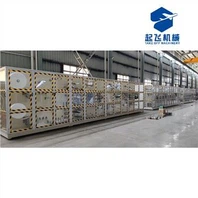
If you're in the market for a sanitary napkin machine, we've got you covered! We offer a range of high - quality machines, including the Sanitary Pad Making Machine, Women Sanitary Napkin Machine, and Sanitary Napkin Making Machine. These machines are designed to efficiently produce sanitary napkins using the materials we've discussed.
Whether you're starting a new business or looking to upgrade your existing production line, our machines can meet your needs. They are easy to operate, have a high production capacity, and can ensure the quality of the final products.


If you're interested in our Sanitary Napkin Machines, feel free to contact us for more details. We're more than happy to answer any questions you may have and discuss how our machines can help you in your sanitary napkin production. Let's work together to make high - quality sanitary napkins that meet the needs of consumers!
References
- "The Handbook of Nonwoven Materials" by The Textile Institute
- "Modern Absorbent Hygiene Products: Innovation and Technology" by Lawrence C. Wadsworth