As a supplier of Pet Pad Machines, one question I often encounter from potential customers is: "What is the maximum thickness of pet pads a Pet Pad Machine can produce?" This is a crucial query as the thickness of pet pads can significantly affect their absorbency, durability, and overall quality. In this blog post, I'll delve into the factors that influence the maximum thickness of pet pads produced by our machines and provide insights into how we ensure high - quality production.
Understanding the Basics of Pet Pad Production
Before discussing the maximum thickness, it's essential to understand the basic components of pet pads. Typically, a pet pad consists of multiple layers. The top layer is usually a non - woven fabric that allows urine to pass through quickly. Beneath it is an absorbent core, often made of fluff pulp and super absorbent polymers (SAP), which traps and holds the liquid. The bottom layer is a waterproof film that prevents leakage.
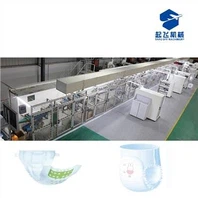
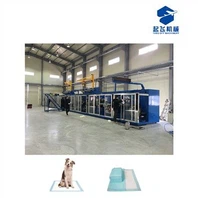
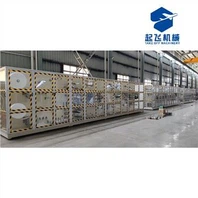
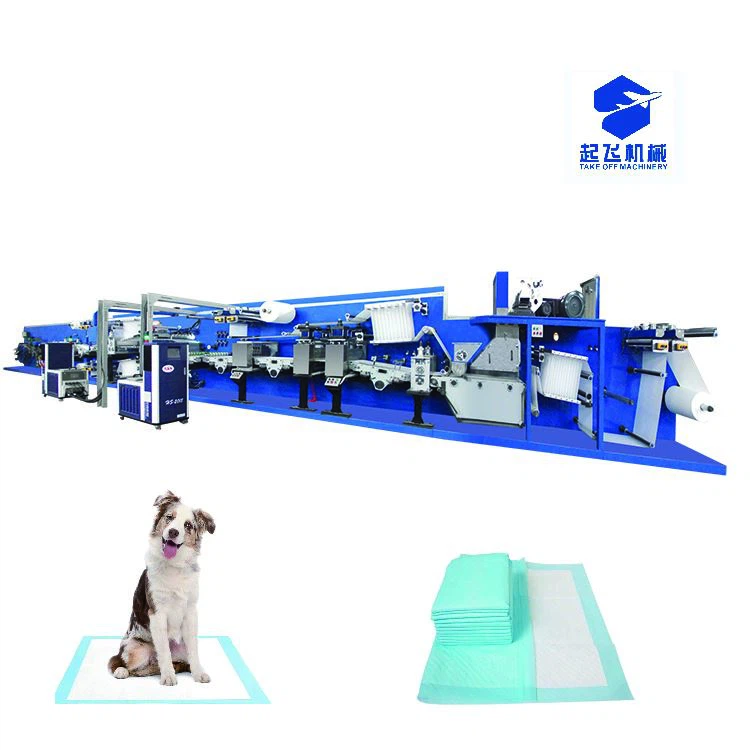
Our Disposable Pet Pad Machine, Disposable Dog Pad Making Machine, and Pet Training Pad Making Machine are designed to handle these different layers efficiently. They can precisely control the amount of materials used in each layer, which directly impacts the final thickness of the pet pad.
Factors Affecting the Maximum Thickness
Material Properties
The materials used in pet pads play a vital role in determining the maximum thickness. For instance, the fluff pulp used in the absorbent core has a certain bulk density. If we try to add too much fluff pulp to increase the thickness, it may lead to issues such as uneven distribution or poor bonding between layers. Similarly, the non - woven fabric and the waterproof film have their own physical properties. A very thick non - woven fabric may not allow for efficient liquid penetration, while an overly thick waterproof film can make the pet pad stiff and less comfortable for the pet.
Machine Design and Capability
Our Pet Pad Machines are engineered with specific design parameters that limit the maximum thickness of the pet pads they can produce. The conveyor belts, rollers, and cutting mechanisms are all designed to handle a certain range of thicknesses. If we try to produce a pet pad that is too thick, it may cause jams in the machine, leading to production delays and increased maintenance costs.
The speed at which the machine operates also affects the maximum thickness. A high - speed production line may not be able to handle very thick pet pads as the materials need more time to be properly bonded and formed. Our machines are optimized to balance speed and thickness to ensure efficient and high - quality production.
Market Demand
Market demand also influences the maximum thickness of pet pads we produce. Different customers have different requirements. Some customers may prefer thinner, more cost - effective pet pads for short - term use, while others may demand thicker, more absorbent pads for long - term or heavy - use scenarios. Our machines are flexible enough to adjust the thickness according to market needs.
Our Machine's Maximum Thickness Capability
Our state - of the - art Pet Pad Machines are capable of producing pet pads with a maximum thickness of up to 10mm. This thickness is achieved through a combination of precise material control and advanced manufacturing techniques.
We use a high - precision dosing system to ensure that the right amount of fluff pulp and SAP is added to the absorbent core. This system can be adjusted to produce different thicknesses of the absorbent layer. The non - woven fabric and waterproof film are then carefully laminated onto the absorbent core using a heat - sealing process that ensures strong bonding without adding excessive thickness.
The cutting mechanism of our machines is designed to handle pet pads up to 10mm thick. It can make clean and accurate cuts, ensuring that each pet pad meets the required dimensions.

Quality Assurance at Maximum Thickness
Even when producing pet pads at the maximum thickness, we maintain strict quality control measures. We conduct regular inspections of the pet pads during the production process. We check for factors such as absorbency, leakage prevention, and the integrity of the layers.
We also perform stress tests on the pet pads to ensure that they can withstand normal use without falling apart. For example, we simulate the weight and movement of a pet on the pad to check if the layers remain bonded and the pad retains its shape.
Meeting Customer Requirements
We understand that different customers may have different thickness requirements. Whether you need a thin, lightweight pet pad for occasional use or a thick, heavy - duty pad for large pets, our machines can be customized to meet your specific needs.
Our technical team is always available to work with you to determine the best thickness and configuration for your pet pads. We can provide samples of different thicknesses for you to test and evaluate before making a purchase decision.
Conclusion
In conclusion, the maximum thickness of pet pads that our Pet Pad Machines can produce is influenced by various factors, including material properties, machine design, and market demand. Our machines are capable of producing pet pads up to 10mm thick while maintaining high - quality standards.
If you are interested in purchasing a Pet Pad Machine or have any questions about pet pad production, we encourage you to reach out to us. Our team is ready to assist you in finding the best solution for your business. Whether you are a small - scale producer or a large - scale manufacturer, we can provide you with the right machine and support to ensure your success in the pet pad market.
References
- Industry research reports on pet pad manufacturing
- Internal technical documentation of our Pet Pad Machines