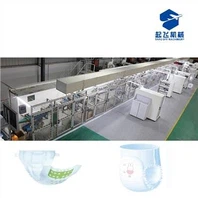
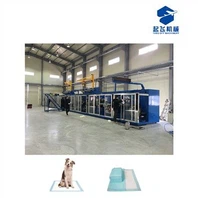
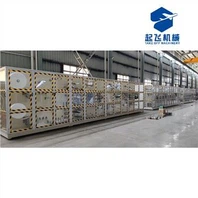
Hey there! As a supplier of sanitary napkin machines, I know how crucial it is to keep these machines in top - notch condition. Calibrating a sanitary napkin machine isn't just a technical task; it's the key to ensuring high - quality products, efficient production, and happy customers. So, let's dive into how to calibrate a sanitary napkin machine step by step.
1. Understanding the Basics of Calibration
Before we start the actual calibration process, it's important to know what calibration means in the context of a sanitary napkin machine. Calibration is all about adjusting the machine's settings so that it operates within the specified parameters. This includes things like the size, shape, and weight of the sanitary napkins, as well as the speed and accuracy of the production process.
Think of it like tuning a musical instrument. If the instrument is out of tune, the music won't sound right. Similarly, if a sanitary napkin machine isn't calibrated correctly, the products it makes won't meet the required standards.
2. Pre - Calibration Checks
First off, you gotta do some pre - calibration checks. This is like getting your tools ready before starting a big project.
- Inspect the Machine: Give the whole machine a thorough look - over. Check for any signs of wear and tear, loose parts, or damage. Make sure all the belts, chains, and gears are in good condition. If you find anything wrong, fix it before you start calibrating.
- Clean the Machine: A clean machine is a happy machine. Remove any debris, dust, or leftover materials from the machine. This not only helps with the calibration process but also extends the machine's lifespan.
- Check the Power Supply: Ensure that the machine is getting a stable power supply. Fluctuations in power can mess up the calibration and cause all sorts of problems during production.
3. Calibrating the Size and Shape
The size and shape of sanitary napkins are super important. Customers expect a certain standard, and you gotta meet it.
- Cutting Mechanism: The cutting mechanism is what determines the length and width of the sanitary napkins. To calibrate it, you'll need to adjust the cutting blades. Use a measuring tool to make sure the cuts are the right size. You can usually find adjustment screws on the cutting unit. Loosen them, make the necessary adjustments, and then tighten them back up.
- Forming Unit: The forming unit shapes the sanitary napkin. It might have adjustable guides or molds. You need to set these so that the napkins come out with the correct shape. Sometimes, you may need to use a template to verify the shape accuracy.
4. Calibrating the Weight
The weight of a sanitary napkin is another critical factor. It affects the absorbency and overall quality of the product.
- Material Feeding System: The material feeding system controls how much material goes into each sanitary napkin. You can adjust the speed of the feeding rollers or the tension of the material. Use a scale to weigh a sample of the finished napkins. If the weight is off, make small adjustments to the feeding system until you get the right weight.
- Compression Unit: The compression unit compresses the materials in the napkin. If it's not calibrated correctly, the napkin might be too thick or too thin. You can adjust the pressure settings on the compression unit. Start with a low pressure and gradually increase it while monitoring the weight of the napkins.
5. Calibrating the Speed
The production speed of the machine impacts how many sanitary napkins you can make in a given time. But it also affects the quality of the products.


- Motor Settings: Most sanitary napkin machines have a motor that controls the speed. You can usually adjust the motor speed through a control panel. Start at a slow speed and gradually increase it while observing the quality of the napkins. If you notice any issues like uneven cutting or misaligned materials, slow the speed down and make further adjustments.
- Synchronization: All the different parts of the machine need to work in sync. For example, the cutting mechanism should cut at the right time relative to the material feeding and forming processes. Check the synchronization settings on the machine. Some machines have sensors or timers that you can adjust to ensure everything is working together smoothly.
6. Post - Calibration Testing
Once you've finished calibrating the machine, it's time for some testing.
- Run a Test Batch: Produce a small batch of sanitary napkins. Check the size, shape, weight, and overall quality of the napkins in this batch. Measure them, weigh them, and inspect them carefully.
- Quality Control Checks: Use your regular quality control procedures to test the napkins. This might include absorbency tests, leakage tests, or strength tests. If any of the napkins don't meet the standards, go back and make more adjustments to the machine.
7. Regular Maintenance and Re - Calibration
Calibration isn't a one - time thing. You need to do regular maintenance and re - calibration to keep the machine running smoothly.
- Set a Schedule: Decide how often you'll do maintenance and re - calibration. This could be weekly, monthly, or quarterly, depending on how often the machine is used.
- Keep Records: Keep a record of all the calibrations and maintenance work. This helps you track the machine's performance over time and identify any recurring issues.
If you're in the market for a new Sanitary Pad Making Machine, Panty Liner Making Machine, or Sanitary Pad Machine, we've got you covered. Our machines are designed for high - performance and easy calibration. We also offer excellent after - sales support to help you keep your machine in great shape.
If you're interested in learning more or making a purchase, don't hesitate to reach out. We're here to answer all your questions and guide you through the procurement process. Let's work together to take your sanitary napkin production to the next level!
References
- Industry - standard manuals for sanitary napkin machine operation and maintenance.
- Practical experience from years of supplying and servicing sanitary napkin machines.