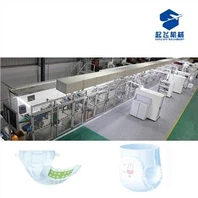
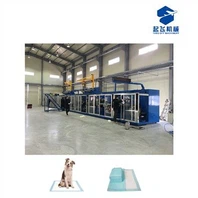
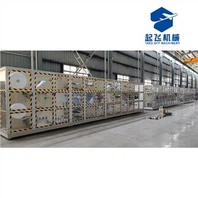
Hey there! As a supplier of Pee Pad Making Machines, I often get asked about the materials used in these machines. Well, let's dive right in and explore what goes into making these machines work their magic.
Key Materials for Pee Pad Making Machines
1. Stainless Steel
Stainless steel is one of the most commonly used materials in pee pad making machines. It's used for a variety of components, including the frames, conveyor belts, and cutting blades. Why is stainless steel so popular? For starters, it's incredibly durable. These machines are designed to run for long hours, often in industrial settings, and stainless steel can withstand the wear and tear. It's also resistant to corrosion, which is crucial because the machines are sometimes exposed to moisture during the production process. For example, the frames made of stainless steel provide a stable structure for the entire machine, ensuring that all the parts are properly aligned and functioning smoothly.
2. Rubber and Rubberized Components
Rubber plays a big role in pee pad making machines. You'll find rubber parts in areas like the rollers and pulleys. Rubber has excellent grip properties, which is essential for moving the various materials involved in pee pad production through the machine. In the conveyor belt system, rubberized rollers help to keep the sheet materials in place and moving at a consistent speed. This ensures that the pads are cut and assembled accurately. Moreover, rubber can absorb vibrations, reducing noise and preventing damage to the machine caused by excessive shaking during operation.
3. Plastics
Plastics are used in a variety of ways in pee pad making machines. For instance, some of the control panels and housing parts are made of plastic. High - quality plastics are chosen because they are lightweight, which helps to reduce the overall weight of the machine. This makes the machine easier to move and install. Additionally, plastics can be molded into various shapes, allowing for custom - designed components to fit the specific needs of the pee pad production process. Some plastics are also electrically insulating, which is important for safety reasons, especially when dealing with the electrical components of the machine.
4. Electrical Wires and Conductors
Of course, since pee pad making machines are electrically powered, electrical wires and conductors are a must - have material. Copper is a commonly used conductor in these machines because it has high electrical conductivity. This means that electricity can flow through the wires easily, allowing the machine to operate efficiently. The wires are carefully insulated to prevent short circuits and ensure the safety of the operators. They connect all the electrical components such as motors, sensors, and control switches, enabling the machine to function as a cohesive unit.
5. Sensors and Their Materials
Modern pee pad making machines are often equipped with sensors to ensure accurate production. These sensors are made of different materials depending on their function. For example, optical sensors may use glass or plastic lenses to focus light and detect the presence or position of materials. Magnetic sensors may contain materials like ferrite or neodymium magnets. These sensors are vital for tasks such as detecting when a roll of material is running out, or for ensuring that the cutting mechanism operates at the right time and place.
How Different Materials Contribute to Machine Efficiency
The choice of materials directly impacts the efficiency of the pee pad making machine. For example, the stainless - steel components reduce the need for frequent maintenance. Since they are resistant to corrosion and wear, the machine can run continuously without breakdowns due to component failure. The rubber parts with their good grip and vibration - absorbing properties ensure smooth material handling, preventing jams and misalignments that could slow down production.
The lightweight plastics used in the housing and control panels make the machine easy to move around the factory floor. This flexibility allows for quick reconfigurations of the production line if needed. The high - conductivity copper wires in the electrical system ensure that power is distributed evenly throughout the machine, so all the components operate at their optimal levels. And the advanced sensors, with their specialized materials, enable precise control over the production process, resulting in high - quality pee pads with minimal waste.
Types of Pee Pad Making Machines and Their Material - Related Features
If you're looking for a Disposable Dog Pad Making Machine, you'll notice that it often has specific material requirements. These machines need to be able to handle the absorbent materials used in dog pads, such as fluff pulp and super absorbent polymers (SAP). The conveyor belts and rollers need to be made of materials that can handle the weight and texture of these absorbent layers without causing damage.
The Puppy Training Pads Machine may be more compact and designed for smaller - scale production. But it still uses high - quality materials like stainless steel for durability and precision in cutting and folding the pads. The sensors in these machines are calibrated to work with the thinner and more delicate materials often used in puppy training pads.
The Pet Training Pad Making Machine is a more general - purpose machine that can produce pads for different types of pets. It needs to be able to handle a variety of materials, from different thicknesses of non - woven fabrics to various absorbent cores. The materials used in its construction, like the stainless - steel frames and rubberized components, are chosen to provide the flexibility needed to produce different sizes and types of pet training pads.
Conclusion and Call to Action
So, as you can see, a pee pad making machine is made up of a diverse range of materials, each playing a crucial role in the production process. Whether you're running a small - scale pet product business or a large industrial production facility, choosing the right pee pad making machine with the appropriate material composition is essential for high - quality and efficient production.

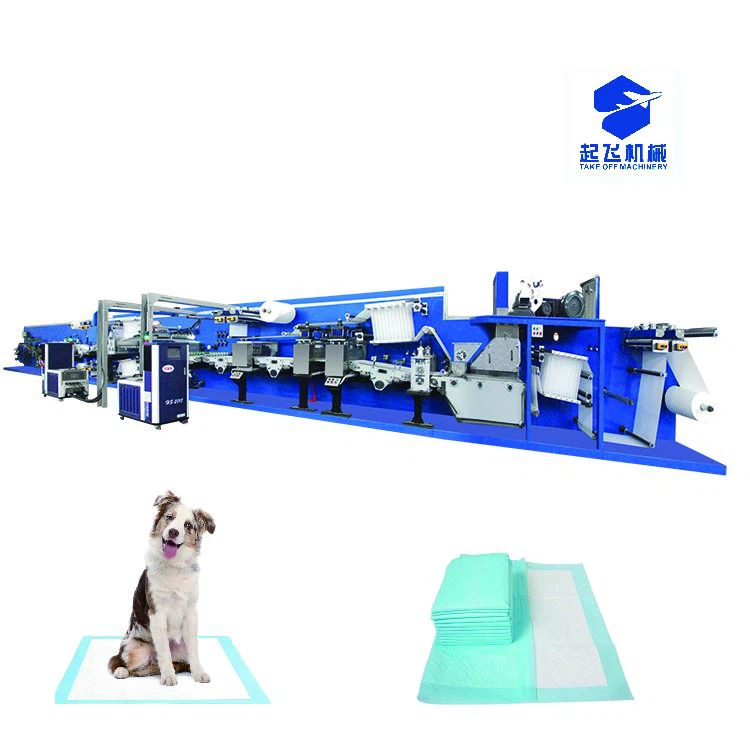
If you're interested in purchasing a pee pad making machine, or if you have any questions about the materials used in our machines, don't hesitate to contact us for procurement and negotiation. We're here to help you find the best machine for your specific needs.
References
- "Handbook of Plastic Materials and Technology" by O. Olabisi
- "Stainless Steel: Properties and Applications" by R. B. Gundlach
- "Sensors and Transducers: Principles, Design and Applications" by A. K. Maini