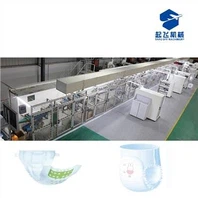
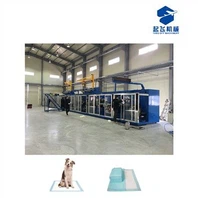
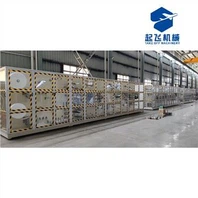
Installing a sanitary pad machine is a significant step for businesses looking to enter the feminine hygiene product manufacturing industry or expand their existing production capabilities. As a reputable Sanitary Pad Machine supplier, I understand the importance of a smooth installation process to ensure optimal performance and efficiency. In this blog post, I will guide you through the essential steps of installing a sanitary pad machine, providing valuable insights and tips along the way.


Step 1: Preparation
Before the installation process begins, thorough preparation is crucial. This involves several key aspects:
Site Preparation
- Space Requirements: Ensure that you have a dedicated and spacious area for the installation of the sanitary pad machine. The machine typically requires a flat and stable surface to operate smoothly. Measure the dimensions of the machine provided by the supplier and allocate sufficient space around it for easy access, maintenance, and future expansion.
- Utilities: Check the availability of essential utilities such as electricity, water, and compressed air. The machine may have specific power requirements, so it is important to consult the technical specifications provided by the supplier. Ensure that the electrical supply is stable and meets the voltage and frequency requirements. Additionally, make sure there is a reliable water source for cleaning and other processes, and a compressed air system to power certain components of the machine.
Machine Inspection
- Unpacking: Carefully unpack the sanitary pad machine upon arrival, following the instructions provided by the supplier. Inspect the machine for any visible damage during transit. If you notice any issues, contact the supplier immediately to arrange for repairs or replacements.
- Component Verification: Check all the components of the machine to ensure that they are complete and in good condition. Compare the components with the packing list provided by the supplier to ensure that nothing is missing.
Step 2: Machine Assembly
Once the preparation is complete, it's time to start assembling the sanitary pad machine. This process may vary depending on the specific model and design of the machine, but the following general steps are typically involved:
Base Installation
- Leveling: Place the machine base on the prepared floor and use a spirit level to ensure that it is perfectly horizontal. Adjust the leveling feet of the base as needed to achieve a stable and level surface.
- Fixing: Secure the machine base to the floor using the appropriate fasteners provided by the supplier. This will prevent the machine from moving during operation and ensure its stability.
Component Installation
- Main Unit: Install the main unit of the sanitary pad machine onto the base, following the alignment marks and instructions provided. Connect the necessary electrical and pneumatic cables to the main unit, ensuring that they are properly seated and secured.
- Conveyor Systems: Install the conveyor systems for transporting the raw materials and finished products. Adjust the tension and alignment of the conveyor belts to ensure smooth and efficient operation.
- Cutting and Sealing Units: Install the cutting and sealing units, which are responsible for cutting the sanitary pads to the desired size and sealing the edges. Make sure these units are properly aligned and adjusted to achieve accurate cutting and sealing results.
Step 3: Electrical and Pneumatic Connections
Proper electrical and pneumatic connections are essential for the safe and efficient operation of the sanitary pad machine. Here are the key steps to follow:
Electrical Connections
- Power Supply: Connect the machine to the electrical supply using the appropriate cables and connectors. Ensure that the electrical system is properly grounded to prevent electrical hazards.
- Control Panel: Connect the control panel to the main unit of the machine. The control panel allows you to operate and monitor the machine's functions, so it is important to ensure that all the connections are secure.
- Safety Devices: Install and connect all the safety devices, such as emergency stop buttons and safety sensors. These devices are designed to protect the operators and prevent accidents during machine operation.
Pneumatic Connections
- Compressed Air Supply: Connect the machine to the compressed air system using the appropriate pneumatic hoses and fittings. Check for any air leaks and ensure that the air pressure is within the recommended range specified by the supplier.
- Pneumatic Components: Connect the pneumatic components, such as cylinders and valves, to the compressed air supply. These components are used to control the movement and operation of various parts of the machine.
Step 4: Testing and Calibration
After the machine is fully assembled and connected, it is important to conduct thorough testing and calibration to ensure its proper functioning. Here are the key steps involved:
Electrical Testing
- Power On: Switch on the power supply to the machine and check if all the electrical components are functioning properly. Look for any error messages or abnormal indicators on the control panel.
- Function Testing: Test each function of the machine, such as the conveyor movement, cutting, and sealing operations. Make sure that all the functions are working smoothly and accurately.
Pneumatic Testing
- Air Pressure Check: Check the air pressure in the pneumatic system and ensure that it is within the recommended range. Adjust the pressure regulators if necessary.
- Pneumatic Component Testing: Test the operation of all the pneumatic components, such as cylinders and valves. Make sure that they are moving smoothly and responding correctly to the control signals.
Calibration
- Cutting and Sealing Calibration: Calibrate the cutting and sealing units to ensure that the sanitary pads are cut to the correct size and sealed properly. This may involve adjusting the cutting blades and sealing parameters.
- Conveyor Speed Calibration: Calibrate the speed of the conveyor systems to ensure that the raw materials and finished products are transported at the appropriate speed.
Step 5: Training and Maintenance
Once the machine is installed, tested, and calibrated, it is important to provide training to the operators to ensure that they can operate the machine safely and efficiently. Additionally, regular maintenance is essential to keep the machine in good working condition and extend its lifespan.
Operator Training
- Operation Training: Provide comprehensive training to the operators on how to operate the sanitary pad machine, including the use of the control panel, starting and stopping the machine, and performing basic maintenance tasks.
- Safety Training: Emphasize the importance of safety during machine operation and provide training on how to use the safety devices and follow the safety procedures.
Maintenance
- Regular Cleaning: Establish a regular cleaning schedule to keep the machine clean and free from dirt and debris. This will help prevent malfunctions and ensure the quality of the finished products.
- Lubrication: Lubricate the moving parts of the machine according to the manufacturer's recommendations to reduce friction and wear.
- Inspection and Replacement: Regularly inspect the machine for any signs of wear or damage and replace the worn-out parts in a timely manner.
As a Sanitary Pad Machine supplier, we are committed to providing our customers with high-quality machines and comprehensive after-sales support. If you are interested in purchasing a sanitary pad machine or have any questions about the installation process, please feel free to contact us. We will be happy to assist you and help you make the right decision for your business.
In addition to our Sanitary Pad Machine, we also offer a wide range of Sanitary Napkin Making Machine and Panty Liner Making Machine to meet your different production needs. Our machines are designed with advanced technology and high-quality components to ensure reliable performance and efficient production.
If you are considering entering the feminine hygiene product manufacturing industry or expanding your existing production capabilities, don't hesitate to contact us. We will work closely with you to understand your requirements and provide you with the best solutions.
References
- Manufacturer's Installation Manuals
- Industry Standards and Guidelines for Sanitary Pad Machine Installation