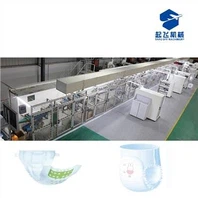
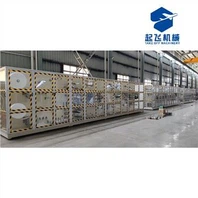
Yo, folks! I'm a supplier of Panty Liner Machine, and today I wanna chat about the vibration level of a panty liner machine during operation. This is a big deal because it affects not just the machine's performance but also the quality of the products it churns out.
Let's start by getting into what vibration is all about in the context of a panty liner machine. When a machine is running, it's got a bunch of moving parts—motors, belts, rollers, you name it. All these parts working together create some level of movement and shaking, which we call vibration. A little bit of vibration is normal; it's just the machine doing its thing. But if the vibration level gets too high, that's when problems start popping up.
First off, excessive vibration can seriously mess with the precision of the machine. Panty liners need to be made to really exact specifications—right size, the right layers stuck together properly. If the machine's shaking around too much, it might cut the liner material at the wrong length or not apply the adhesive evenly. This can lead to a whole bunch of defective products, which is a major headache for any manufacturer.
Another issue with high vibration is that it can cause wear and tear on the machine itself. The constant shaking puts extra stress on the parts, and over time, this can lead to things like loose bolts, worn - out bearings, or even cracked components. When parts start breaking down, it means more maintenance, more downtime, and more money spent on repairs.
So, what's a normal vibration level for a panty liner machine? Well, there's no one - size - fits - all answer. It can depend on a few different factors. The type of machine is a big one. Older machines might have looser tolerances and might vibrate a bit more than newer, more advanced models. The speed at which the machine is running also matters. Generally, the faster it goes, the more vibration it'll produce. But a well - designed machine should be able to handle higher speeds without going into an unacceptably high vibration range.
As a supplier, I always make sure to work with manufacturers to understand their needs and set up the machines correctly. We've got ways to measure the vibration level. There are sensors that can be attached to different parts of the machine, and these sensors can give us real - time data on how much shaking is going on. By analyzing this data, we can figure out if the machine is operating within a safe and efficient vibration range.
If the vibration level is too high, there are a few things we can do. One option is to balance the machine. Just like a car wheel needs to be balanced to run smoothly, the rotating parts in a panty liner machine need to be properly balanced. This can involve adding or removing small weights to the parts to even out the distribution of mass.
Another thing is to check the machine's mounting. If the machine isn't properly mounted on a stable surface, it can cause more vibration. We make sure that the machine is sitting on a solid foundation and that all the mounting bolts are tightened correctly.


Now, I also wanna touch on how our Panty Liner Machine compares to other related machines, like Sanitary Pads Making Machine and Sanitary Pad Making Machine. Panty liner machines are generally a bit smaller and less complex than sanitary pad making machines. This usually means that they have a lower baseline vibration level. But that doesn't mean we don't pay attention to vibration control. In fact, we use a lot of the same principles and technologies to keep the vibration in check, whether it's a panty liner machine or a bigger sanitary pad making machine.
In the end, keeping the vibration level of a panty liner machine in check is all about ensuring high - quality production and long - term reliability. If you're in the business of making panty liners or sanitary pads, you know how important it is to have a machine that runs smoothly and produces consistent, top - notch products.
If you're thinking about getting a new panty liner machine or upgrading your existing one, don't hesitate to reach out. I'm here to answer all your questions, help you understand the vibration levels and how they impact your production, and make sure you get a machine that fits your needs perfectly. Whether you need a small - scale machine for a startup or a high - capacity machine for a large - scale production facility, we've got you covered.
So, if you're ready to take your panty liner production to the next level, let's start a conversation. I'm looking forward to working with you and helping you find the best solution for your business.
References
- Machinery Vibration Handbook, Industrial Press Inc.
- Handbook of Condition Monitoring: Condition Monitoring of Machinery, Wiley - Blackwell