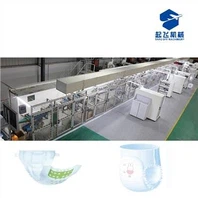
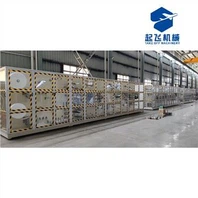
Training workers to operate a sanitary pad machine is a crucial process for any sanitary pad manufacturing facility. As a leading Sanitary Pad Machine supplier, we understand the significance of comprehensive training to ensure the efficient and safe operation of our machines. In this blog post, we will delve into the essential steps and strategies for training workers to operate a sanitary pad machine effectively.
Understanding the Machine
Before starting the training process, it is essential to provide workers with a thorough understanding of the sanitary pad machine. This includes familiarizing them with the machine's components, functions, and operating principles. A detailed overview of the machine's structure and how different parts work together is crucial for workers to operate it safely and efficiently.
- Machine Components: Begin by introducing the major components of the sanitary pad machine, such as the raw material feeding system, forming unit, cutting unit, packaging unit, and control panel. Explain the function of each component and how they contribute to the overall production process.
- Operating Principles: Provide a clear explanation of how the machine operates, including the sequence of operations, the role of sensors and controls, and the safety features incorporated into the machine. This will help workers understand the cause-and-effect relationship between different actions and the machine's responses.
Theoretical Training
Theoretical training is the foundation of any effective training program. It provides workers with the necessary knowledge and understanding of the sanitary pad machine's operation, maintenance, and safety procedures. Theoretical training can be conducted through classroom lectures, presentations, and online resources.
- Machine Operation: Teach workers how to operate the sanitary pad machine, including how to start and stop the machine, adjust the settings, and troubleshoot common problems. Provide step-by-step instructions and demonstrate the correct procedures using the actual machine or a simulation model.
- Maintenance and Cleaning: Train workers on the importance of regular maintenance and cleaning of the sanitary pad machine. Explain the recommended maintenance schedule, the types of maintenance tasks required, and the proper cleaning procedures. Provide hands-on training on how to perform basic maintenance tasks such as lubrication, filter replacement, and belt tension adjustment.
- Safety Procedures: Emphasize the importance of safety when operating the sanitary pad machine. Train workers on the safety features of the machine, such as emergency stop buttons, safety guards, and interlocks. Provide instructions on how to use personal protective equipment (PPE) correctly and how to identify and avoid potential hazards.
Hands-on Training
Hands-on training is the most effective way to teach workers how to operate the sanitary pad machine. It allows workers to apply the knowledge and skills they have learned in the theoretical training to real-world situations. Hands-on training should be conducted in a supervised environment, with experienced trainers providing guidance and feedback.
- Machine Demonstration: Start the hands-on training by demonstrating how to operate the sanitary pad machine. Show workers how to load the raw materials, set up the machine for production, and monitor the production process. Provide opportunities for workers to ask questions and clarify any doubts they may have.
- Practice Sessions: After the demonstration, allow workers to practice operating the sanitary pad machine under the supervision of the trainer. Start with simple tasks and gradually increase the complexity as workers gain confidence and proficiency. Provide feedback and guidance to help workers improve their skills.
- Quality Control: Train workers on the importance of quality control in the sanitary pad manufacturing process. Teach them how to inspect the finished products for defects, such as leaks, uneven padding, and incorrect dimensions. Provide instructions on how to adjust the machine settings to ensure consistent quality.
Training Evaluation
Training evaluation is an important part of the training process. It allows you to assess the effectiveness of the training program and identify areas for improvement. Training evaluation can be conducted through written tests, practical assessments, and on-the-job observations.


- Written Tests: Administer written tests to assess workers' knowledge of the theoretical training. The tests should cover topics such as machine operation, maintenance, safety procedures, and quality control.
- Practical Assessments: Conduct practical assessments to evaluate workers' ability to operate the sanitary pad machine. The assessments should include tasks such as starting and stopping the machine, adjusting the settings, troubleshooting common problems, and performing quality control checks.
- On-the-Job Observations: Observe workers' performance on the job to evaluate their proficiency and adherence to the training procedures. Provide feedback and coaching to help workers improve their skills and performance.
Continuous Training and Support
Training is an ongoing process, and it is essential to provide continuous training and support to workers to ensure they stay up-to-date with the latest technologies and best practices. Continuous training can be provided through refresher courses, on-the-job training, and access to online resources.
- Refresher Courses: Conduct periodic refresher courses to reinforce workers' knowledge and skills. The refresher courses should cover topics such as new machine features, updated safety procedures, and quality control standards.
- On-the-Job Training: Provide on-the-job training to workers as needed. This can include training on new products, processes, or equipment. On-the-job training should be conducted in a supervised environment, with experienced trainers providing guidance and feedback.
- Online Resources: Provide workers with access to online resources, such as training videos, manuals, and FAQs. This will allow workers to learn at their own pace and refer to the resources as needed.
Conclusion
Training workers to operate a sanitary pad machine is a complex and challenging process, but it is essential for the success of any sanitary pad manufacturing facility. By providing comprehensive training, including theoretical training, hands-on training, and continuous training and support, you can ensure that your workers have the knowledge and skills they need to operate the machine safely and efficiently. As a Sanitary Pad Machine supplier, we are committed to providing our customers with the highest quality training and support to help them achieve their production goals. If you are interested in purchasing a Sanitary Pad Making Machine or a Panty Liner Machine and need training for your workers, please contact us today to discuss your requirements.
References
- Manufacturer's manuals for sanitary pad machines
- Industry standards and best practices for sanitary pad manufacturing
- Training materials developed by experienced trainers in the sanitary pad manufacturing industry